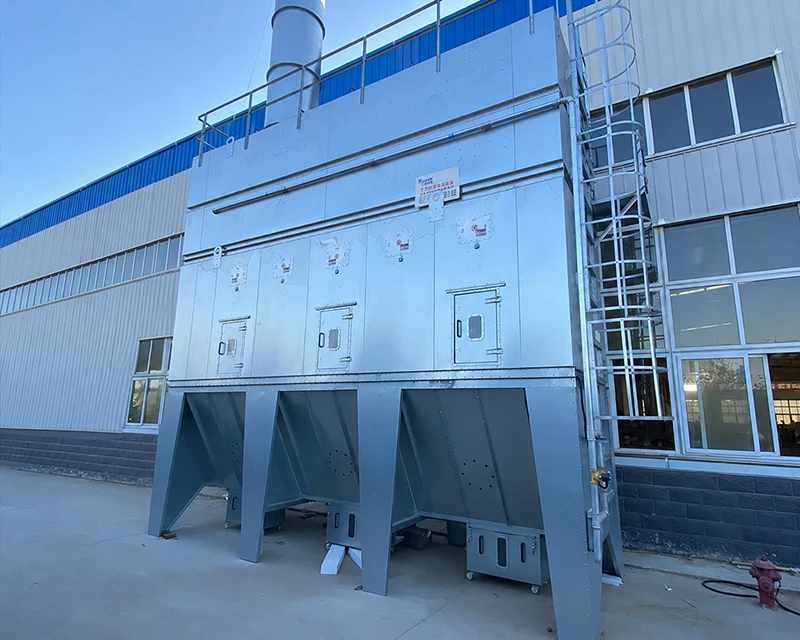
How to Design a Woodworking Shop Dust Collection System
Jul.20, 2026
1. Understanding the Importance of Dust Collection
Why Dust Collection is Essential
A dust collection system is crucial for maintaining a clean and safe woodworking shop. It helps in minimizing health risks due to airborne wood dust, improving air quality, and ensuring better visibility and efficiency in your workspace.
2. Planning Your Dust Collection System
Assess Your Shop Layout
Evaluate your woodworking shop layout to determine the best locations for the dust collection system. Consider the placement of machines and workstations, ensuring easy access to all tools.
Calculate the Required Airflow
Determine the required airflow (CFM - cubic feet per minute) needed for your system by considering the types and number of machines you own:
- Table saw: 400 CFM
- Jointer: 350 CFM
- Planer: 800 CFM
3. Selecting Components for Your Dust Collection System
Choosing the Right Dust Collector
Pick a dust collector that suits your shop size and equipment needs. Factors to consider include:
- Type: Bag or cyclone collector
- Power: Motor size and horsepower
- Filter efficiency: Micron rating of filters
Gathering Required Tools and Equipment
You will need the following tools and components to construct your dust collection system:
- Ductwork (flexible and rigid)
- Connectors and fittings
- Blast gates for airflow control
- Duct tape and sealant
- Mounting brackets and straps
4. Installing the Dust Collection System
Step-by-Step Installation Guide
Follow these steps for a successful installation:
- First step: Shut down all equipment and plan out the duct paths.
- Second step: Install the dust collector according to the manufacturer's instructions.
- Third step: Connect ductwork to the dust collector and machines using connectors and fittings.
- Fourth step: Ensure that all connections are secure and sealed with duct tape or sealant.
- Fifth step: Install blast gates to control airflow to individual machines.
- Sixth step: Test the system to ensure adequate airflow and make adjustments if necessary.
5. Common Mistakes to Avoid
Top Errors in Dust Collection System Setup
To ensure optimum performance, avoid these common mistakes:
- Ignoring the duct size recommended by manufacturers.
- Failing to account for the bends and length of the ductwork, which can reduce airflow.
- Not sealing connections properly, leading to air leaks.
- Overloading the dust collector beyond its capacity.
6. Maintaining Your Dust Collection System
Regular Maintenance Practices
Implement these maintenance strategies to ensure your dust collection system remains efficient:
- Check and clean filters regularly to maintain airflow.
- Inspect ductwork for clogs or damage.
- Empty the dust collector bag or container when full.
7. Enhancing Your Dust Collection with Lufmax Products
Utilizing Advanced Solutions from Lufmax
Consider incorporating products from Lufmax for improved efficiency, such as high-efficiency filters and compatible accessories. Visit us for more details at Lufmax.
8. Conclusion
Final Thoughts on Dust Collection Systems
Incorporating a well-designed woodworking shop dust collection system is essential for safety and efficiency. By following the steps outlined above and utilizing Lufmax products, you can create a cleaner and more productive workspace.
Latest News
-
Oct.12, 2026
Cabinet Dust Collector Review: Best Uses and Limitations
Are you a woodworker struggling with airborne dust particles that affect both your health and project quality? Enter the Lufmax cabinet dust collector. This innovative device is designed specifically for woodworking professionals and hobbyists who encounter excessive dust and debris during their activities. By providing a comprehensive solution to dust collection, the Lufmax ensures a cleaner
-
Oct.08, 2026
Pros and Cons of a Dry Spray Booth for Furniture Finishing
In today’s competitive furniture manufacturing landscape, the choice of finishing equipment significantly influences product quality and production efficiency. Many woodworkers and furniture manufacturers face challenges with traditional finishing methods, including prolonged drying times and inconsistent finishes, leading to high defect rates. A dry spray booth presents a solution that could
-
Sep.28, 2026
What Is a Water Wash Paint Booth and How Does It Work?
A water wash paint booth is an industrial system designed for the efficient and eco-friendly painting of various surfaces, primarily used in the automotive and manufacturing industries. Unlike traditional paint booths that rely on chemical solvents, a water wash paint booth utilizes water as the primary medium for capturing overspray and contaminants, ensuring a cleaner environment and higher