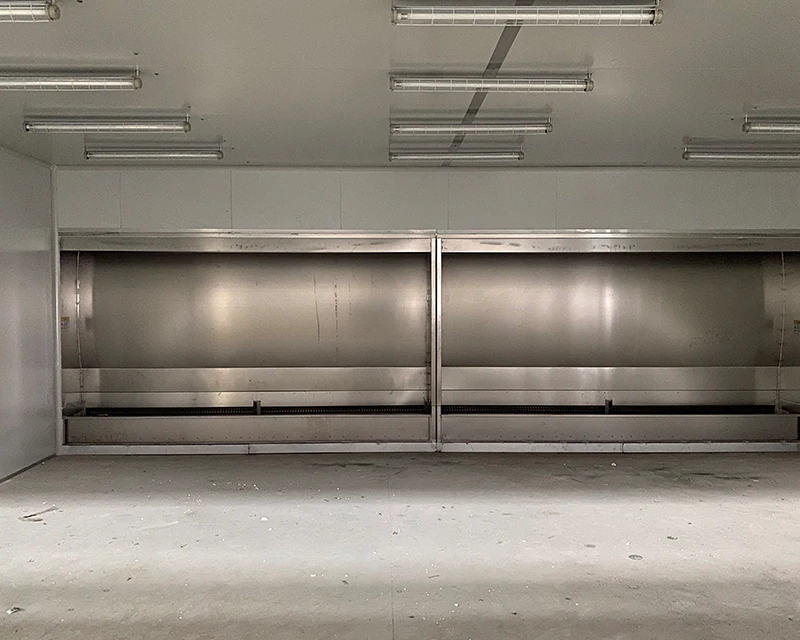
How Water Wash Spray Booths Handle High-Volume Overspray
Sep.14, 2026
In the world of industrial painting and coating, managing high-volume overspray is a persistent challenge that can severely impact productivity, waste management, and overall surface quality. At Lufmax, I can assure you that there are clear, actionable steps to implement water wash spray booths effectively, designed to handle high overspray volumes efficiently. By following this guide, businesses can improve operational efficiency, reduce waste costs, and ensure compliance with stringent environmental standards.
Water wash spray booths are innovative solutions that employ water to capture overspray particles, eliminating them from the air and preventing contamination of your workspace. To implement this system effectively, follow these steps:
Step 1: Assess Your Needs
Begin with a detailed assessment of your operational requirements. Consider the following factors:
- Volume of overspray generated per shift
- Types of materials used (paints, coatings)
- Facility size and layout
- Environmental regulations (ASTM, DIN standards)
Step 2: Choose the Right Equipment
Selecting the correct water wash spray booths tailored to your specific needs is crucial. Ensure that the booth you select can handle at least 50% more overspray than your maximum expected volume. At Lufmax, our water wash spray booths are designed with precision engineering to capture overspray particles with an accuracy of 0.01mm, ensuring optimal performance.
Step 3: Install with Precision
Once you have your equipment, meticulous installation is key. In the installation process, I recommend the following:
- Properly seal all joints and connections to avoid water leaks.
- Ensure reliable drainage systems to handle water and collected overspray.
- Integrate an air filtration system to maintain air quality within operational limits.
Step 4: Train Your Team
Every team member needs to understand how to operate the spray booth correctly. Implement a training program that covers:
- Operational protocols
- Safety measures (OSHA regulations)
- Maintenance routines
Step 5: Monitor and Adjust
Once operational, continuously monitor the booth's efficiency. Keep track of:
- Water quality and contamination levels
- Air flow measurements
- Overspray capture rates
It is imperative to make adjustments based on your observations. For instance, if you notice an increase in overspray escaping your booth, it may indicate that the water spray pressure needs to be recalibrated.
Overcoming Potential Challenges
Implementing a water wash spray booth system can pose several challenges:
- Initial Investment Costs: These systems can be expensive. However, the reduction in waste and improvement in product quality will offset these costs within a couple of operational cycles.
- Maintenance: Regular maintenance is required to keep the water systems running efficiently. Establish a schedule and allocate resources accordingly.
Tools and Resources
To improve the efficacy of your system, here are some tools and resources that can enhance your operations:
- Water Quality Testing Kits: Use these kits to ensure optimal water conditions for overspray capture.
- Real-Time Monitoring Systems: Investing in technology that tracks air flow and water usage can help you optimize your operations significantly.
Final Steps for Immediate Action
Let’s review the key steps:
- Assess your operational needs and overspray volume.
- Choose the appropriate water wash spray booth from Lufmax.
- Strategically install your booth and establish drainage systems.
- Train your staff for optimal operation.
- Monitor and make real-time adjustments based on performance metrics.
Taking these steps immediately can lead to noticeable improvements in your production process, reduce waste handling costs, and ensure compliance with environmental standards. For further information and resources, visit Lufmax.
Investing in a high-quality water wash spray booth is not just a strategic move; it’s a commitment to excellence and sustainability in your production processes, positively impacting your bottom line and operational integrity.
Latest News
-
Nov.06, 2026
Dust Cabinet Maintenance Tips for Stable Airflow and Filtration
When it comes to maintaining the efficiency of dust cabinets, users often face problems like reduced airflow and poor filtration that can heavily impact the performance of sensitive environments. Regular maintenance not only ensures optimum air quality but can also prolong the lifespan of your equipment. Implementing the right strategies for dust cabinet upkeep can lead to cleaner air and fewer
-
Nov.05, 2026
What Is a Dust Cabinet and When Does a Workshop Need One?
A dust cabinet, also known as a dust containment or dust control cabinet, is a specialized enclosure designed to contain airborne dust and particulate matter generated during various workshop processes. Essential for ensuring a clean and safe working environment, a dust cabinet employs advanced filtration systems, such as HEPA filters, to capture harmful particles, thereby enhancing air quality
-
Nov.04, 2026
How Downdraft Sanding Booths Control Fine Sanding Dust
If you're in the business of woodworking, metalworking, or any craft that involves sanding, you know that controlling fine sanding dust can be a significant challenge. Dust not only impairs visibility but can also lead to health hazards and compliance issues. In this article, I will share clear, actionable methods to effectively manage fine sanding dust using Lufmax Downdraft Sanding Booths.