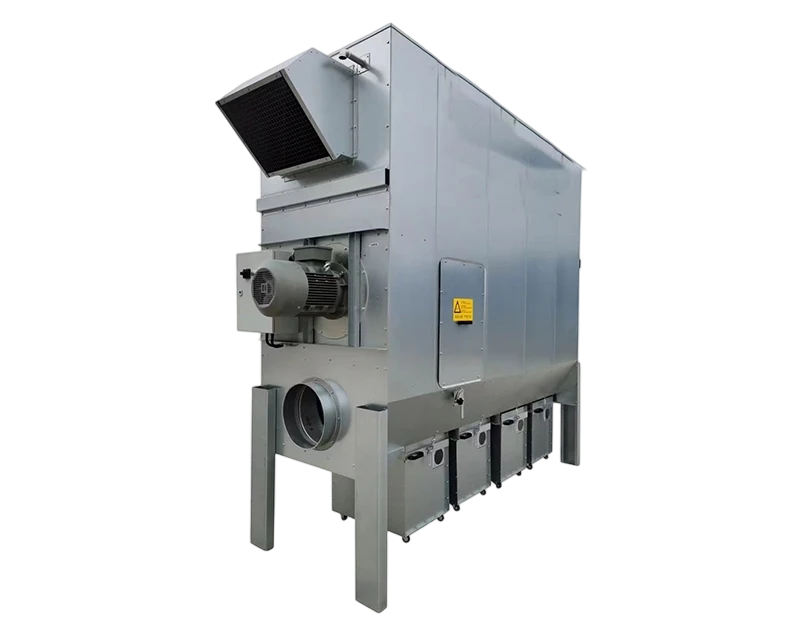
Portable Dust Collection System Guide for Small Factories
Aug.14, 2026
When I first ventured into the realm of small-scale manufacturing, I quickly realized the critical need for an effective dust collection system. A portable dust collection system can vastly improve air quality, enhance worker safety, and maintain compliance with health standards such as OSHA and NIOSH. This guide aims to provide a comprehensive solution for both newcomers and seasoned professionals, equipping small factories with the steps to successfully implement a portable dust collection system.
To begin, it’s essential to evaluate your workspace. Start by identifying dust sources: woodworking equipment, grinders, or any machinery that generates hazardous particles. Once you have a clear picture, follow these steps to implement an effective dust collection system tailored to your factory's specific needs.
-
Assess Your Dust Generation: Measure the volume and type of dust produced in your factory. For instance, woodworking shops may produce larger particulate matter (PM10), whereas metal machining may create finer dust (PM2.5). Accurately measuring your dust output will help in selecting the ideal portable dust collection system.
-
Choose the Right System: Depending on your dust assessment, you may require a system featuring cyclones for heavy particulates or HEPA filters for fine dust. Equipment such as Lufmax’s systems often boast precision filtering capabilities to 0.01mm capacity, offering 100% inspection assurance. When evaluating options, make sure to compare features and efficiency ratings—look for systems documented by ASTM or DIN standards.
-
Plan the Setup: Position the collection system for optimal efficiency. Place it close to the dust sources to minimize the dispersion of particles. Consider using hoses that are long enough to reach all problematic areas without causing unnecessary wear on the machinery. Also, factor in mobility features, especially if you plan to service multiple areas of your factory.
-
Install and Test the System: Follow the manufacturer's installation guidelines meticulously. Once installed, conduct airflow tests to ensure the system operates within the recommended ranges. A successful installation will often require regular velocity checks to verify that air flow rates remain optimal.
-
Train Your Team: After installation, it's vital to train employees on the purpose and operation of the dust collection system. This knowledge not only improves compliance but also aids in spotting issues early on. I once worked with a team that doubled as safety ambassadors, helping everyone understand their role in maintaining a dust-free workspace.
-
Monitor Performance: Establish a routine for monitoring the system's performance post-installation. Regular maintenance checks will lengthen the lifespan of your portable dust collector and ensure it continues to operate at peak performance. Keep a logbook to track maintenance schedules, filter changes, and any anomalies noticed.
Even the best-designed systems can face challenges. For example, user hesitation in using the collection system can lead to improper setup or even neglect. To combat this, I recommend engaging workers by explaining the health benefits, providing incentives for keeping the workspace clean, and involving them in maintenance tasks.
To illustrate the effectiveness of a proper dust collection system, consider this success story: A small metal fabrication workshop in my area struggled with respiratory issues among its workers. By implementing Lufmax’s portable dust collection system, they reported a 75% decrease in airborne dust and improved overall worker morale. The factory now not only meets regulatory compliance but has also seen an increase in productivity.
As you embark on your own journey to enhance air quality with a dust collection system, remember the key takeaways: assess your dust generation accurately, choose the right system, plan your setup thoughtfully, install with care, train your staff, and prioritize routine performance monitoring. To support your efforts, I encourage you to utilize online resources, such as equipment reviews and community forums at Lufmax’s website.
By tackling these steps with dedication and diligence, your small factory can operate not only efficiently but also healthily, leading to a thriving work environment. Take action today, because a cleaner shop means happier, healthier workers.
Latest News
-
Oct.12, 2026
Cabinet Dust Collector Review: Best Uses and Limitations
Are you a woodworker struggling with airborne dust particles that affect both your health and project quality? Enter the Lufmax cabinet dust collector. This innovative device is designed specifically for woodworking professionals and hobbyists who encounter excessive dust and debris during their activities. By providing a comprehensive solution to dust collection, the Lufmax ensures a cleaner
-
Oct.08, 2026
Pros and Cons of a Dry Spray Booth for Furniture Finishing
In today’s competitive furniture manufacturing landscape, the choice of finishing equipment significantly influences product quality and production efficiency. Many woodworkers and furniture manufacturers face challenges with traditional finishing methods, including prolonged drying times and inconsistent finishes, leading to high defect rates. A dry spray booth presents a solution that could
-
Sep.28, 2026
What Is a Water Wash Paint Booth and How Does It Work?
A water wash paint booth is an industrial system designed for the efficient and eco-friendly painting of various surfaces, primarily used in the automotive and manufacturing industries. Unlike traditional paint booths that rely on chemical solvents, a water wash paint booth utilizes water as the primary medium for capturing overspray and contaminants, ensuring a cleaner environment and higher