Woodworking Dust Collection Solution Guide for Furniture Factories
Sep.18, 2026
Understanding how to implement an efficient woodworking dust collection solution is crucial for furniture factories to maintain a clean and safe working environment. Proper dust management not only enhances air quality but also improves productivity, reduces health risks, and protects equipment from damage due to excessive dust accumulation. This guide will help you navigate the best practices and systems suitable for your furniture manufacturing facility.
1. Importance of Woodworking Dust Collection
- Health Risks: Exposure to wood dust can lead to respiratory issues and other health problems. According to the National Institute for Occupational Safety and Health (NIOSH), fine wood dust is classified as a known human carcinogen.
- Fire Hazards: Dust accumulation poses a significant fire risk in your facility. Implementing a proper dust collection system can help mitigate these dangers.
- Equipment Longevity: Excessive dust can lead to mechanical failures and justify the need for regular maintenance and cleaning.
2. Key Components of a Dust Collection Solution
- Dust Collectors: Identify whether you need portable or stationary dust collectors based on your layout and workflow.
- Filters: Choose the right filtration system (e.g., HEPA filters) to capture fine particles and ensure air quality.
- Hoses and Ductwork: Plan a layout that minimizes bends and sharp turns for optimal airflow.
3. Steps to Implement a Dust Collection System
- Step 1: Assess Your Workspace
- Conduct an employee survey and assess machines that generate the most dust.
- Map the workspace to locate primary dust generation points.
- Step 2: Select Your Dust Collector
- Determine the required air volume and static pressure based on your machines' specifications.
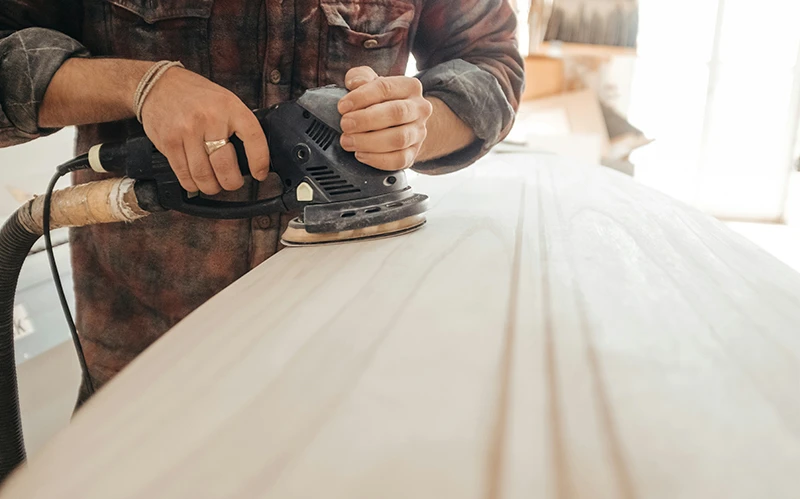
- Evaluate models from companies known for quality, such as Lufmax that provides a range of options suitable for various factory needs. You can view their offerings here: Lufmax.com/data/watermark/f_imgs/20260622/b42ce1c1e074e40dba2e74772b26b264.webp">
- Step 3: Install Ductwork
- Work with experienced HVAC professionals to set up efficient duct networks. Ensure the duct diameter is sufficient to transport dust under maximum airflow.
- Step 4: Training and Maintenance
- Provide staff training sessions focusing on the importance of the system and routine maintenance practices.
- Establish regular cleaning schedules and inspections to keep the dust collection system in top condition.
4. Choosing the Right Dust Collection System
- Assess your factory's specific needs: size, type of materials processed, and production volume.
- Examine energy efficiency ratings and overall operating costs when selecting your systems.
- Consult with industry experts or your supplier for recommendations tailored to your facility.
5. Regulatory Standards and Compliance
- Familiarize yourself with OSHA guidelines regarding woodworking safety and dust management.
- Stay compliant with local regulations and standards to avoid penalties and ensure safety.
6. Missed Key Points: Additional Considerations
- Implementing Air Quality Monitoring: Invest in air quality monitoring devices to keep track of indoor air quality and worker safety.
- Utilizing Automation: Explore automated dust collection solutions that adjust airflow based on machine operation for increased efficiency.
In summary, a comprehensive woodworking dust collection solution is essential for the safety and productivity of furniture factories. By following these practical steps and considering important factors, you can greatly reduce workplace hazards associated with wood dust.
Latest News
-
Sep.21, 2026
How to Build a Woodworking Dust Collection Solution by Process
Woodworking enthusiasts and professionals alike often struggle with managing sawdust and debris generated during projects. A woodworking dust collection solution isn't merely a luxury but a necessity for maintaining a clean and safe workshop environment. Many users face challenges like increased respiratory issues, reduced visibility, and compromised woodworking precision due to dust
-
Sep.18, 2026
Woodworking Dust Collection Solution Guide for Furniture Factories
Understanding how to implement an efficient woodworking dust collection solution is crucial for furniture factories to maintain a clean and safe working environment. Proper dust management not only enhances air quality but also improves productivity, reduces health risks, and protects equipment from damage due to excessive dust accumulation. This guide will help you navigate the best practices
-
Sep.14, 2026
How Water Wash Spray Booths Handle High-Volume Overspray
In the world of industrial painting and coating, managing high-volume overspray is a persistent challenge that can severely impact productivity, waste management, and overall surface quality. At Lufmax, I can assure you that there are clear, actionable steps to implement water wash spray booths effectively, designed to handle high overspray volumes efficiently. By following this guide, businesses